Why Consider Dental Implant Surgery for Missing Teeth
Why Consider Dental Implant Surgery for Missing Teeth?
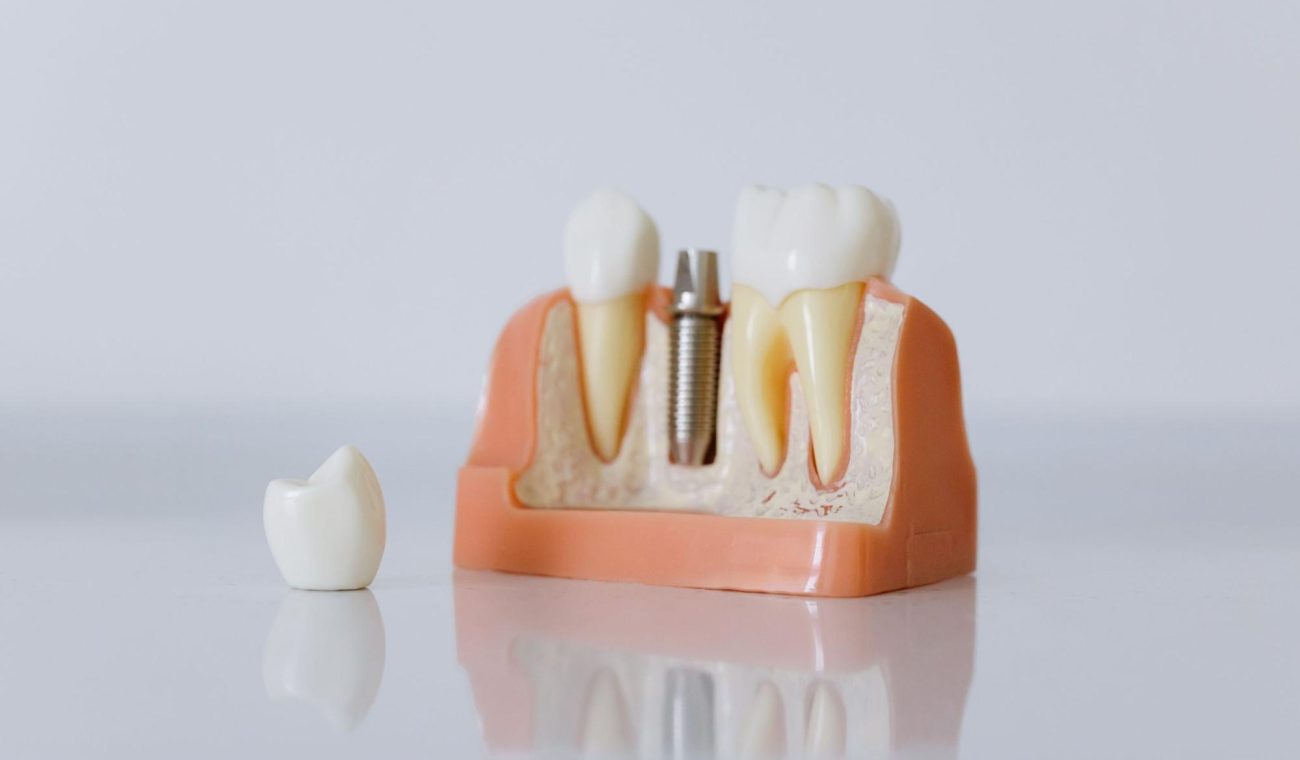
Missing teeth can affect more than the appearance of a smile. They may make chewing uncomfortable, influence speech and change the way a person feels about their appearance. For people looking for a long-term tooth replacement option, dental implant surgery may offer a practical solution. Dental implants are designed to replace missing tooth roots and support artificial teeth, helping restore important aspects of everyday oral function.
Although implants are not the right choice for everyone, understanding their benefits can help patients make informed decisions about their dental health. Here are several reasons to consider dental implant surgery when exploring tooth replacement options.
1. Restoring Chewing Function
Missing teeth can make it difficult to bite into or chew certain foods comfortably. Depending on the number and location of missing teeth, people may find themselves avoiding foods that were once part of their regular diet.
Dental implants provide a stable foundation for replacement teeth. Once the implant has integrated with the surrounding jawbone and the final restoration has been fitted, it can help restore chewing function. This may allow patients to enjoy a wider variety of foods with greater comfort and confidence.
However, the results depend on the condition of the jawbone, the implant's placement and the quality of the final restoration. Patients should follow their dentist's instructions during healing and gradually return to normal eating as advised.
2. Maintaining Jawbone Health
One important consideration when replacing missing teeth is the effect tooth loss can have on the jawbone. Natural tooth roots stimulate the surrounding bone during chewing. When a tooth is lost, that stimulation decreases, which can contribute to gradual bone loss in the affected area.
Dental implants are placed in the jawbone and function as artificial tooth roots. After successful integration, they can provide stimulation to the surrounding bone during normal use, helping preserve bone in the implant area.
Not every patient has enough bone to support an implant immediately. Some may need additional procedures, such as bone grafting, before implant placement. A dental examination and appropriate imaging help determine whether the jawbone can support the treatment.
3. Improving Speech and Everyday Comfort
Missing teeth can sometimes affect pronunciation, particularly when the gaps involve teeth that help form certain speech sounds. Some removable dentures may also shift during conversation if they do not fit securely.
Because dental implants are anchored in the jawbone, they can provide a stable base for replacement teeth. This stability may help patients speak more comfortably without worrying as much about movement during everyday conversations.
The adjustment period varies from person to person. Patients receiving implants to support dentures or replace several teeth may experience different results depending on their treatment plan. Working with a qualified dental professional helps ensure that the replacement teeth are appropriately designed and fitted.
4. Creating a Natural-Looking Smile
A missing tooth can affect how a person feels about their smile, especially when the gap is visible during conversation or photographs. Dental implants can support crowns, bridges or other restorations designed to resemble natural teeth.
Dentists consider factors such as tooth shape, size, color and alignment when planning the final restoration. When appropriately designed and maintained, implant-supported teeth can blend with the surrounding teeth and help create a natural-looking appearance.
For many patients, this can make smiling and social interaction feel more comfortable. However, cosmetic outcomes depend on several factors, including gum health, bone structure, implant position and the type of restoration used.
Patients should discuss their expectations with their dentist before treatment to understand what results are realistic for their individual circumstances.
5. Avoiding Changes to Neighboring Teeth
Traditional dental bridges can replace missing teeth by using neighboring teeth as supports. Depending on the bridge design, this may require reshaping the supporting teeth to accommodate the restoration.
A dental implant can offer an alternative because it is supported by the jawbone rather than relying on adjacent natural teeth for support. This may help preserve neighboring teeth that would otherwise need preparation for a conventional bridge.
The most suitable option depends on the location of the missing tooth, the condition of the surrounding teeth and the patient's overall oral health. In some situations, a bridge or removable denture may be more appropriate.
A dentist can explain the advantages and limitations of each treatment option before recommending a personalized plan.
6. Providing a Long-Term Tooth Replacement Option
Dental implants can offer long-lasting tooth replacement when they heal successfully and receive proper care. Their durability makes them an option worth considering for patients seeking an alternative to removable appliances.
However, implants are not maintenance-free. Daily brushing, cleaning between teeth and regular dental checkups remain essential. The implant-supported crown or other restoration may also experience wear and eventually require repair or replacement.
Factors such as smoking, gum disease, poor oral hygiene and certain medical conditions can influence treatment outcomes. Patients should discuss their medical history and habits with their dentist before deciding whether implants are suitable.
Although the initial investment may be higher than some alternatives, the potential service life of a well-maintained implant may make it worthwhile for appropriate candidates.
7. Supporting Confidence and Quality of Life
Tooth loss can influence how people eat, speak and interact with others. Some individuals may feel self-conscious about visible gaps or worry that their dentures could move while talking or eating.
Replacing missing teeth with dental implants may help address these concerns by providing stable, natural-looking restorations. Improved chewing ability and greater confidence in one's smile can make everyday activities more comfortable.
Still, treatment outcomes vary, and implants involve surgery, healing time and ongoing maintenance. Patients should weigh the expected benefits against the cost, recovery period and possible complications before proceeding.
Conclusion
Dental implant surgery can be a valuable option for replacing missing teeth, restoring chewing function, supporting jawbone health and improving the appearance of a smile. It may also help preserve neighboring teeth and provide a durable foundation for replacement teeth.
However, implants are not suitable for every patient. A comprehensive dental assessment is necessary to evaluate bone health, gum condition, medical history and individual treatment goals.
By discussing available options with a qualified dentist, patients can determine whether dental implants are an appropriate choice for their needs and take a considered step toward better oral health.
Keep reading
 Ecommerce
Strategic Ecommerce Narratives: Navigating 301 Moved Permanently Through Streaming Services and Vendor Partnerships
 Technology
Maximizing IPTV Reseller Success: Practical Strategies for Panels, Credits, and Live Channels
 entertainment