Sourcing Utility-Grade vs Commercial-Grade Hybrid Inverters: PLL Trade-offs When Phase Angle Jumps Hit the Grid
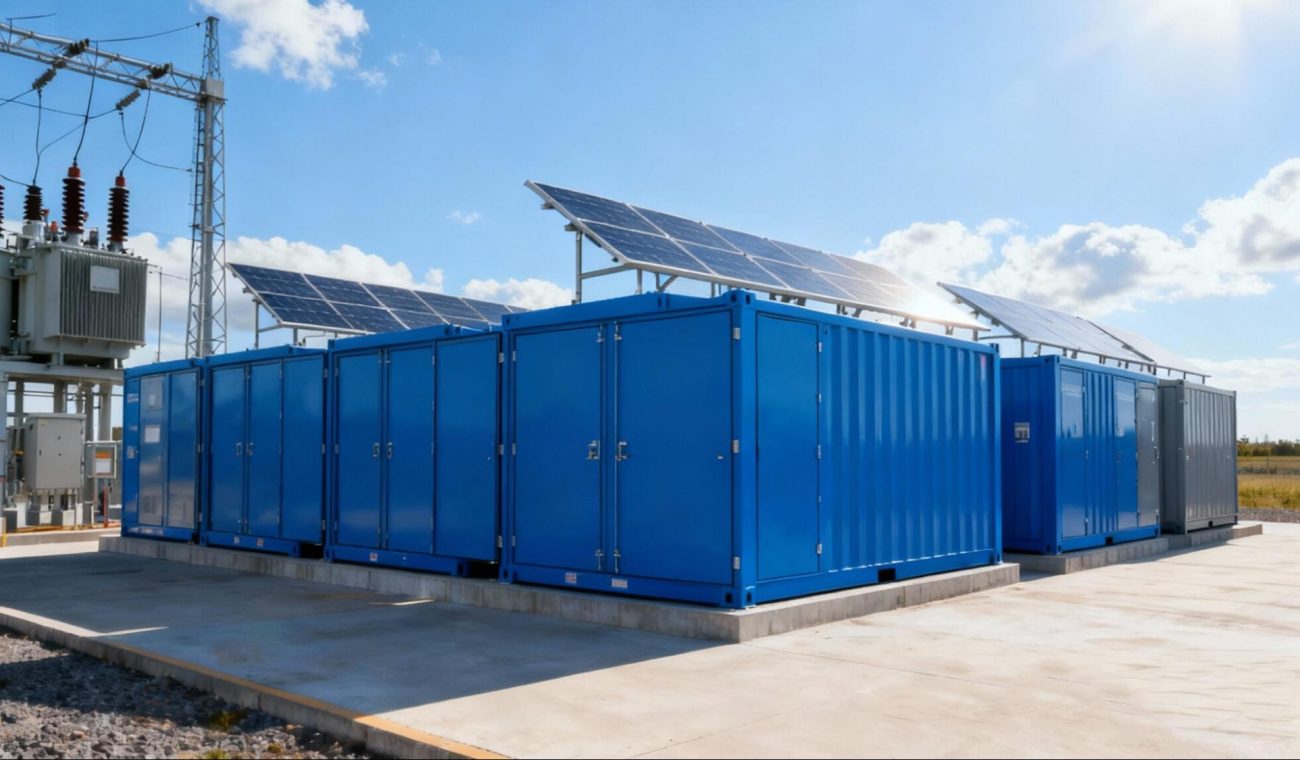
Intro — setting the comparison straight
Choosing between a utility-grade and a commercial-grade hybrid inverter comes down to how each handles grid synchronization under stress. This comparative piece digs into phase-locked loop (PLL) behavior during sudden phase-angle jumps, explains the practical consequences for system uptime, and points you to design choices that matter on rooftop and utility-scale sites alike.
What a phase-angle jump really does to synchronization
A phase-angle jump is an abrupt change in grid phase that challenges a converter’s PLL. If the PLL loses lock or reacts too slowly, the inverter can misalign its output waveform, causing protective trips, anti-islanding faults, or unwanted current injection. For systems tied to the Philippines' 60 Hz grid — and frequently stressed by typhoons like Haiyan (Yolanda) in 2013 — robust phase tracking is not academic; it’s operational necessity.
Comparative technical trade-offs
Utility-grade and commercial-grade platforms adopt different PLL design trade-offs. Utility-grade inverters typically use wider PLL bandwidth, adaptive gain scheduling, and redundant phase estimation to recover faster from phase-angle jumps. Commercial-grade units prefer narrower bandwidth to reduce steady-state noise and cost, accepting longer lock times. Key differences include:
– Recovery time: utility-grade often reclocks in tens to low hundreds of milliseconds; commercial-grade can take longer.
– Fault tolerance: utility designs favor built-in fault ride-through and phase-jump detection logic, while commercial units may rely on external relays or firmware updates.
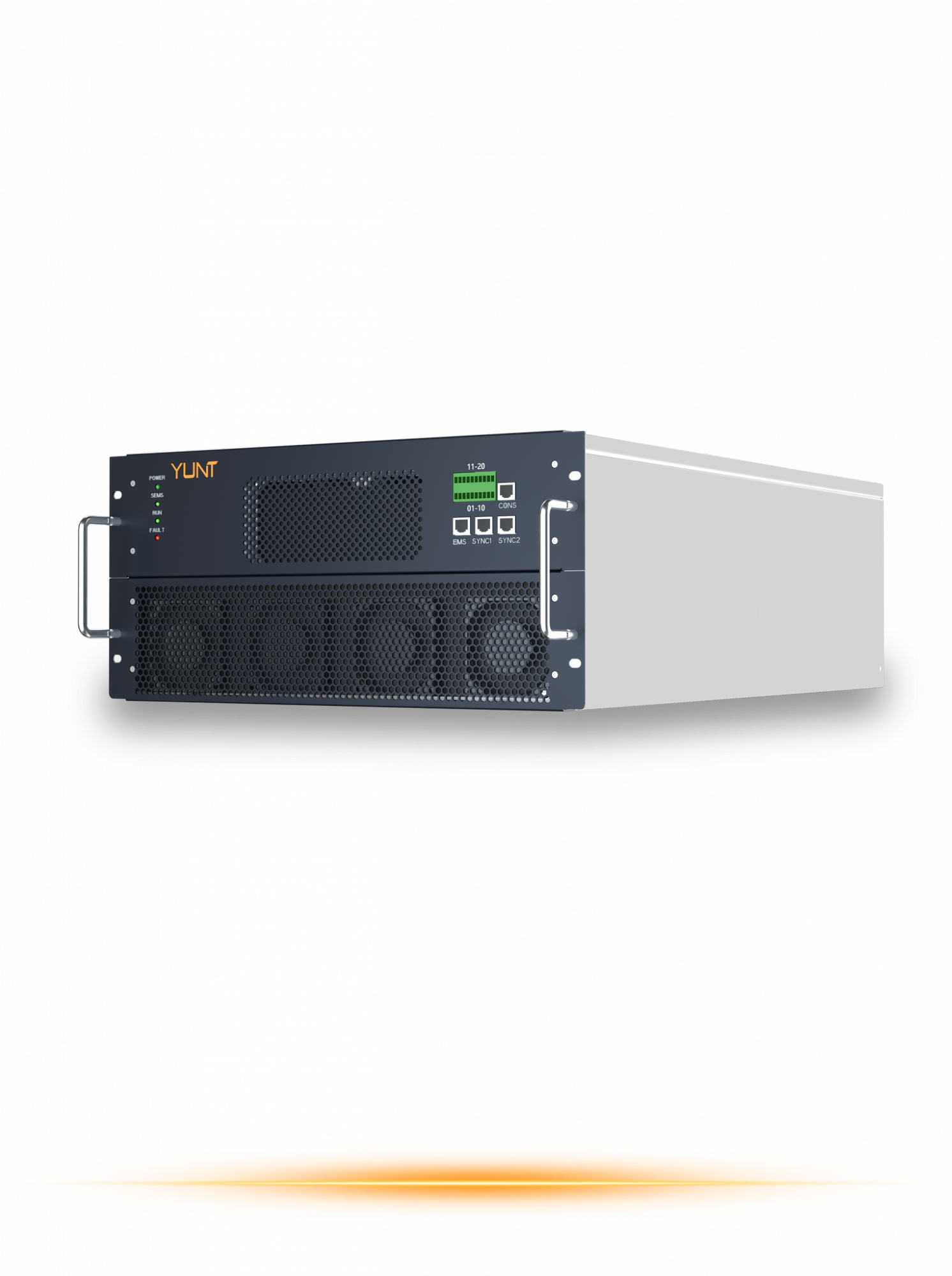 Industry terms here matter: PLL bandwidth, phase-jump detection, and fault ride-through are the knobs that change how each product behaves in the field.
Real-world anchor — what installers and operators see
On Luzon and other islands, grid disturbances during severe weather expose weak PLL strategies fast. Installers report that units with adaptive PLLs keep critical loads online more reliably, while cheaper commercial units often require manual resets after a large phase discontinuity. This is not just anecdote — it’s practical learning from repeated events where synchronization speed directly affected downtime.
Operational teardown — where software meets hardware
In an operational production teardown we look at control loop latency, sampling strategy, and phase estimator robustness — and we also inspect {main_keyword} and {variation_keyword} in firmware traces. Typical checks include sampling jitter under load, the PLL’s response to synthetic phase jumps, and how the inverter’s anti-islanding logic interacts with grid relays. These checks reveal whether a model is optimized for a harsh grid or for cost-sensitive commercial rooftops.
Common mistakes, alternatives, and practical fixes
Installers often make the same mistakes: (1) assuming commercial-grade PLLs will behave like utility-grade under fault, (2) skipping firmware updates that refine phase estimators, and (3) undersizing transient current capability. A few practical fixes: enable adaptive PLL modes where available, verify firmware release notes for phase-jump fixes, and consider hybrid deployments — pair a commercial-grade string inverter for everyday use with a utility-grade central unit for grid-edge events. — Small changes in control settings can avoid big outages.
Advisory — three golden evaluation metrics
When you evaluate inverters for phase-angle resilience, measure these three things:
1) PLL lock/relock time: test with a controlled ±30°–180° phase jump and time the relock window in milliseconds. Faster is better for critical loads.
2) Fault ride-through behavior: confirm the inverter holds output during voltage dips and phase discontinuities per your site’s operational profile — not just on paper.
3) Control bandwidth and configurability: look for adaptive PLL gain scheduling and accessible firmware parameters so field tuning is possible without part replacement.
These metrics give you objective grounds to compare utility vs commercial offerings and pick what matches your site risk profile.
YUNT builds hybrid platforms that reflect these trade-offs and lets you choose the balance between robustness and cost — the right option can keep lights on when the grid doesn’t. — Practical, tested, and ready for real conditions.