Smart Landscaping and Interior Sensibilities: A Practical Guide to Home Garden Harmony
A practical guide to blending outdoor gardening with interior decor and home improvement ideas for a cohesive living space.
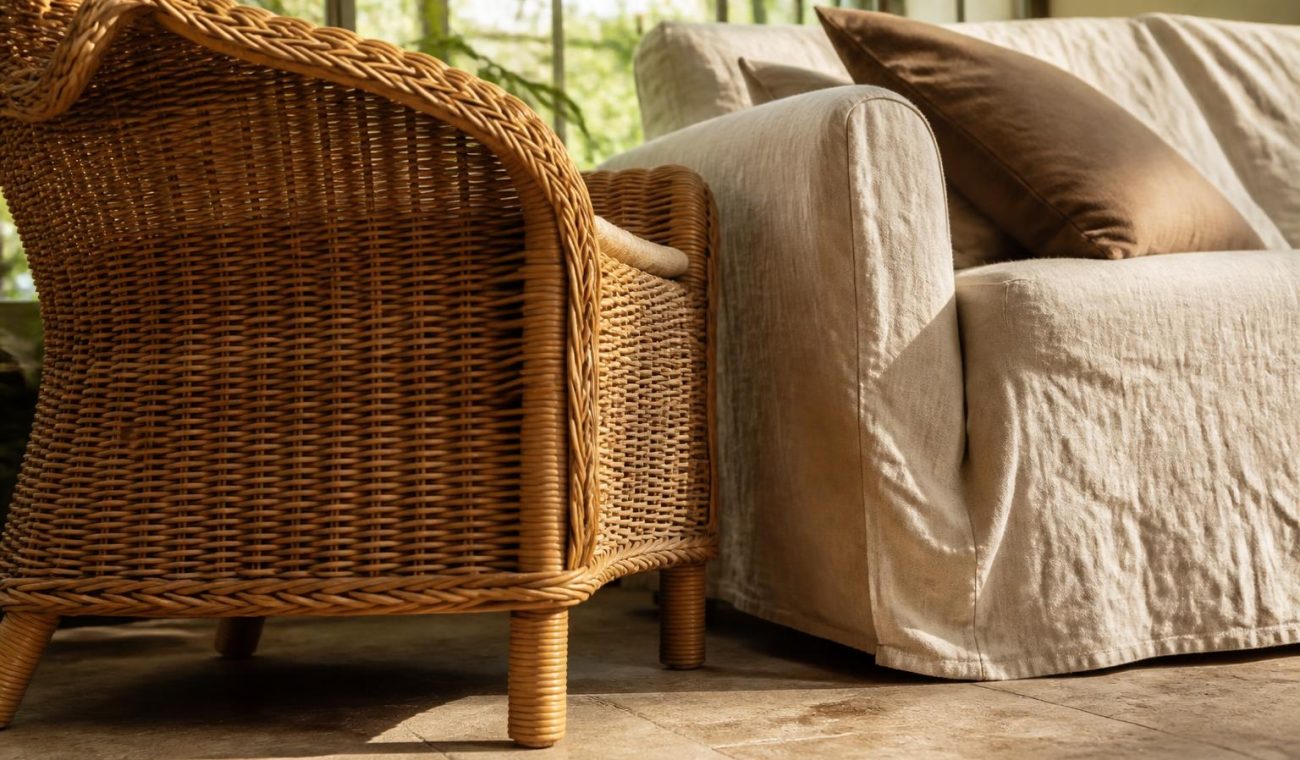
Creating A Unified Outdoor-Indoor Living Space
Gardening can extend beyond the yard to influence interior ambience and overall home improvement strategy. Start by mapping the edge where soil meets flooring, choosing plants that frame windows and doors to draw natural light inward. The right plant heights, textures, and seasonal color schemes create a cohesive flow between exterior and interior spaces, making every square foot feel considered and alive. For precise movement and planning, consider how lighting and shade shift throughout the day to guide your design choices, ensuring comfort and visual balance in both realms. inertial measurement unit offers a metaphorical reminder that accurate positioning matters when aligning decor, furniture, and planting zones within a single property.
Home improvement in the context of a garden means integrating durable, low-maintenance elements that serve both aesthetic and practical needs. Use weather-resistant furnishings that echo indoor textures, such as woven fabrics or wood tones, to create continuity between spaces. Consider hardscaping as outdoor furniture scaffolding for interior layouts—paths and patios guide movement, while seating clusters invite gatherings that mirror living room conversations. This approach reduces clutter and reinforces a sense of deliberate design across home and garden.
Choosing Plants That Support Interior Decor
When selecting plants, prioritize varieties with architectural form that translates well indoors and outdoors. For example, sculptural grasses, upright dracaenas, or bold tropicals can anchor corners inside rooms while thriving in sheltered exterior spots. Pair foliage color with room palettes—cool greens with blues, warm ambers with terracotta tones—to maintain visual harmony from kitchen windows to balcony borders. Regular pruning and soil checks prevent overgrowth from stealing interior focus.
Gardening decisions also influence interior mood through texture and scent. Fragrant blooms near entryways welcome guests and subtly shape daily routines, while variegated leaves offer visual interest that complements decor accents like cushions and rugs. A well-tended container garden on a balcony can reflect indoor plant shelves, reinforcing a consistent design language across zones. Knowledge of sunlight patterns helps time plant rotations to minimize glare on screens and maintain comfortable living spaces.
Soil Health And Sustainable Landscaping
Soil health is the foundation of successful gardening and a durable home improvement approach. Test soil pH and nutrient levels to tailor amendments, which reduces plant stress and reduces the need for frequent replacements. Incorporate compost and mulch to conserve moisture, suppress weeds, and enrich soil life, supporting a resilient landscape that requires less water and maintenance. A thoughtful soil strategy feeds both exterior growth and interior plant vigor, creating a sustainable loop between garden beds and indoor greenery.
Water efficiency is essential for long-term beauty and cost control. Install efficient irrigation, such as drip lines or smart controllers, to apply moisture directly to roots while avoiding waste. Use rain barrels to harvest seasonal runoff, connecting sustainable practices to interior routines like laundry and cleaning where possible. A nutrient-rich, well-structured soil foundation translates into healthier plants that require fewer interventions and deliver steadier color through the seasons.
Lighting That Transforms Both Spaces
Lighting is a bridge between interior ambiance and exterior allure. Layered lighting—path lights, uplights for specimen trees, and warm, dimmable indoor fixtures—creates a consistent mood from living room to garden edge. Daylight harvesting reduces artificial heat and energy use, while warm exterior tones echo indoor lamps, producing a welcoming glow after dusk. Thoughtful placement enhances safety, supports nighttime gardening tasks, and elevates decor when entertaining outdoors and indoors alike.
Consider motion and task lighting for practical needs, such as garden tool storage or potting benches near doors. A well-lit entry sequence invites guests and allows for seamless indoor-outdoor entertaining. Subtle color temperature changes between indoor and outdoor fixtures can unify spaces without overpowering natural beauty, keeping decor cohesive while adapting to the changing light of seasons.
Furniture And Accessories That Tie Spaces Together
Furniture choices should reflect a harmony between interior comfort and outdoor resilience. Select weatherproof fabrics and cushions in colors that mirror indoor textiles, creating continuity from sofa upholstery to patio seating. Use modular pieces that reconfigure for guests, mirroring living room layouts while standing up to sun and rain. Storage benches, planters with integrated shelves, and durable accent tables help maintain a tidy transition zone where home improvement touches meet gardening practicality.
Decor accessories—think mirrors, sculptures, and natural textures—anchor both zones visually. A large mirror near a garden seating area can visually extend the interior space while boosting daylight reflection. Choose planters that echo interior vessels, and pair water features with interior fountain ideas to reinforce a tranquil, cohesive atmosphere across the entire property.
Seasonal Maintenance And Routine
Establish a simple seasonal calendar that aligns with interior chores such as cleaning and rearranging spaces around holidays and events. Pruning, dividing perennials, and refreshing mulch should occur in predictable windows to avoid crowding and to maintain a crisp, organized look. Regular tasks reduce the risk of overgrowth encroaching on windows, walkways, or seating areas, helping the interior decor remain visible and inviting year-round.
Seasonal decorating can borrow from interior themes, translating color palettes and textures outdoors. For example, autumnal plantings with coppery tones echo fall decor, while spring blooms brighten planters aligned with living room palettes. By planning swaps and replacements ahead of weather shifts, you preserve a polished aesthetic that travels from interior shelves to exterior borders without abrupt contrasts.
Design Mistakes To Avoid And How To Correct Them
Common missteps include overfilling borders with high-maintenance plants, which crowds views and makes spaces feel smaller than they are. Instead, curate a few focal plants that echo interior statement pieces, allowing room for movement and lighting to shine on both sides. Keep sightlines clear from doors to windows, preventing furniture or foliage from obstructing flows between indoor rooms and outdoor zones.
Another pitfall is neglecting texture variety; mixing surfaces like rough stone, smooth planters, and soft textiles creates depth, while consistent color palettes prevent chaos. Regularly reassess both spaces for balance and adjust as your garden matures or interior preferences evolve, ensuring the home environment remains welcoming, functional, and beautifully coordinated.
Two Or Three Sections For Texture
- Layered lighting that transitions from interior lamps to garden path lights
- Textured planters complementing indoor vessels
- Seasonal textiles paired with plant palettes for cohesive decor
Keep reading
 Ecommerce
Strategic Ecommerce Narratives: Navigating 301 Moved Permanently Through Streaming Services and Vendor Partnerships
 Technology
Maximizing IPTV Reseller Success: Practical Strategies for Panels, Credits, and Live Channels
 entertainment