Why Livestock Supplements Are Important for Animal Health and Farm Productivity
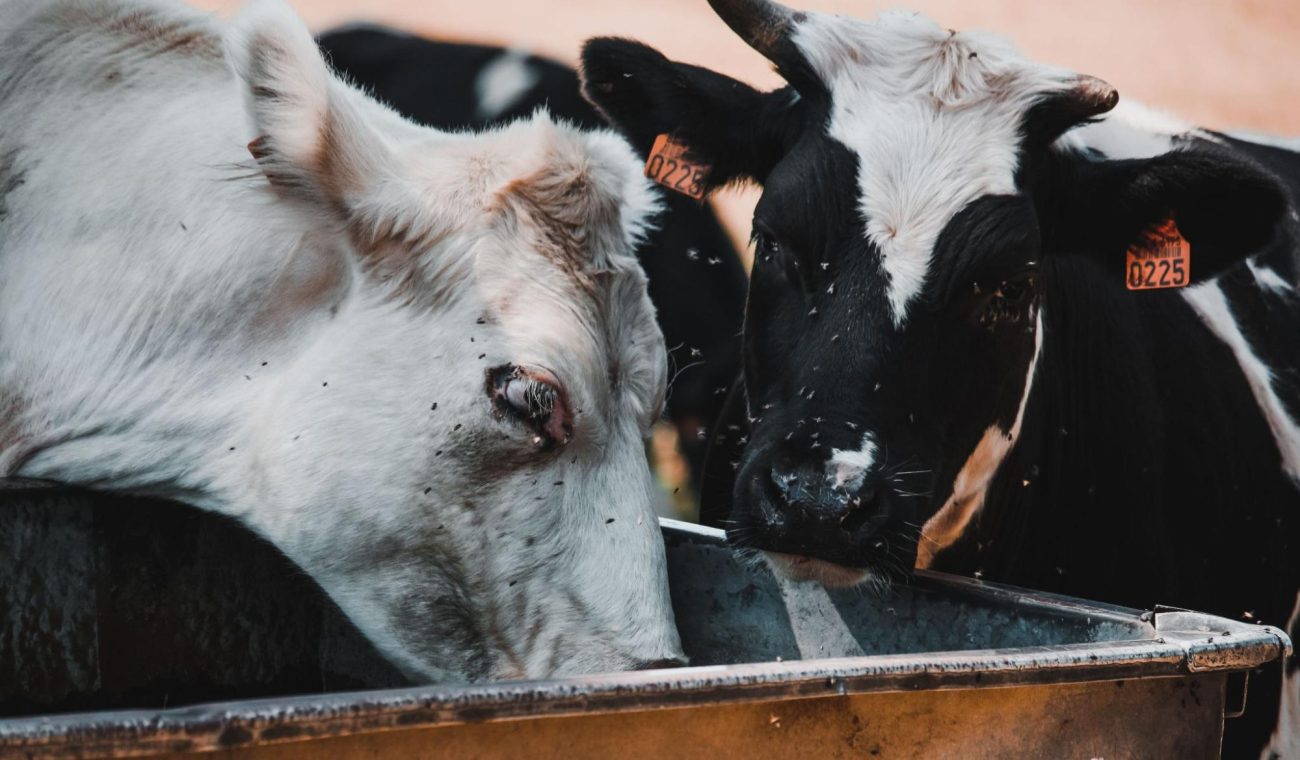
Maintaining healthy livestock is essential for farmers who want to support animal welfare and achieve consistent farm productivity. While quality feed and clean water form the foundation of proper animal care, they may not always provide every nutrient animals need at different stages of growth. Livestock supplements can help address nutritional gaps, support normal development and maintain the overall condition of farm animals.
Understanding the role of supplements allows farmers to make informed feeding decisions that benefit their animals while supporting the long-term sustainability of their operations.
1. Supporting Balanced Nutrition
Livestock require a balanced combination of nutrients to maintain normal body functions. These include proteins, carbohydrates, fats, vitamins and minerals, with the exact requirements varying by species, age, weight and production stage. Although pasture, forage and commercial feed can provide many essential nutrients, their nutritional content may vary depending on soil conditions, plant maturity, storage and feed formulation.
Livestock supplements can help address specific deficiencies when an animal's regular diet does not meet its nutritional requirements. Mineral supplements, for example, may provide calcium, phosphorus or trace minerals needed for normal bodily functions. Vitamin supplements can also help meet particular nutritional needs when dietary sources are insufficient.
The goal is not simply to provide more nutrients but to supply the right amounts. Farmers should assess their animals' diets and consult qualified animal nutrition professionals when necessary to determine which supplements are appropriate.
2. Promoting Healthy Growth and Development
Young livestock need adequate nutrition to support bone development, muscle growth and the gradual maturation of their bodies. Nutritional deficiencies during these stages can interfere with normal development and affect an animal's future productivity.
Depending on the species and feeding program, supplements may help provide essential nutrients that support growth when regular feed alone is insufficient. Protein sources and amino acid supplements can be relevant in certain feeding systems, while minerals contribute to skeletal development and other physiological processes.
For example, growing calves, piglets and lambs have different nutritional requirements that change as they mature. Providing age-appropriate nutrition helps farmers support healthy development and prepare animals for their intended roles, whether for meat, milk or breeding.
Supplements should complement a suitable feeding program rather than replace high-quality forage, balanced feed or proper management.
3. Supporting Reproductive Performance
Reproductive health is an important consideration for farms that raise breeding animals. Nutritional imbalances can affect fertility, pregnancy and the ability of animals to maintain appropriate body condition throughout the reproductive cycle.
Certain vitamins and minerals contribute to normal reproductive functions. Selenium, zinc and vitamin E, for example, play important roles in animal physiology, although their specific requirements depend on the species and circumstances.
When deficiencies are present, targeted supplementation may help correct nutritional problems that could otherwise affect reproductive performance. However, supplements cannot independently resolve every fertility issue. Genetics, age, disease, housing conditions and breeding management also influence reproductive outcomes.
Farmers should work with veterinarians or animal nutrition specialists to develop feeding plans that account for the nutritional demands of breeding animals, particularly during pregnancy and lactation.
4. Maintaining Immune Function and Overall Health
Healthy animals are generally better equipped to cope with everyday environmental challenges. Adequate nutrition supports normal immune function, tissue maintenance and recovery from routine physical demands.
Livestock supplements containing essential vitamins, minerals or other appropriate nutrients may help maintain these functions when dietary intake is inadequate. For instance, vitamin A supports normal immune and tissue functions, while zinc contributes to numerous biological processes.
Nutritional support is particularly important when animals experience changes in feed availability, transportation or other management-related stressors. Nevertheless, supplements are not substitutes for vaccination, veterinary treatment, clean housing or effective disease prevention practices.
A well-rounded animal health program combines appropriate nutrition with regular observation, proper sanitation and timely professional care.
5. Helping Animals Cope With Seasonal Changes
Weather and seasonal conditions can affect the availability and quality of livestock feed. During dry periods, pasture may become less nutritious or harder to access. In colder conditions, some animals may require additional dietary energy to maintain body temperature, depending on their environment and physical condition.
Supplements can help farmers address changing nutritional demands when pasture quality or feed availability declines. Mineral products may be useful when forage does not provide sufficient essential nutrients, while other formulations may support specific dietary requirements.
Farmers should assess forage quality and the animals' overall intake before adjusting their feeding programs. Supplement needs vary between farms, and excessive intake of certain minerals or vitamins can cause health problems.
Planning ahead for seasonal changes helps maintain a more consistent feeding routine and reduces the risk of preventable nutritional deficiencies.
6. Improving Farm Productivity and Feed Management
Animal health and farm productivity are closely connected. Livestock that receive appropriate nutrition are better positioned to maintain normal growth, milk production, body condition and reproductive function, depending on their purpose.
Targeted supplementation can support these outcomes when a genuine nutritional need exists. It may also help farmers manage feeding programs more precisely by addressing specific deficiencies instead of making unnecessary changes to the entire diet.
Businesses researching livestock nutrition products may encounter suppliers and technology-focused companies such as True North Technologies while exploring available options. Regardless of the supplier, farmers should review product labels, ingredient information, recommended feeding rates and evidence supporting the intended use.
Keeping records of feed intake, animal condition and production results can also help farmers evaluate whether a supplement is providing meaningful benefits. These observations make it easier to adjust feeding strategies based on actual farm needs rather than assumptions.
7. Supporting Better Long-Term Animal Care
Consistent nutritional management contributes to responsible livestock care. By identifying dietary gaps early, farmers can make adjustments before deficiencies become more serious. This approach may help reduce avoidable health problems and support more efficient use of feed resources.
However, responsible supplementation requires attention to dosage, product quality and compatibility with the existing diet. Some nutrients can interact with others, and excessive supplementation may be harmful. Farmers should follow product directions and seek professional guidance when introducing unfamiliar products or changing feeding practices.
Maintaining accurate feeding records and reviewing animals regularly can help ensure that supplementation remains appropriate as their needs change.
Conclusion
Livestock supplements play an important role in supporting balanced nutrition, healthy development, reproductive function and overall animal well-being. When used appropriately, they can help address dietary deficiencies and contribute to more consistent farm productivity.
The most effective approach begins with understanding each animal's nutritional requirements and evaluating the quality of its regular feed. By selecting suitable supplements and combining them with proper veterinary care, farmers can support healthier livestock and make informed decisions that benefit their operations over time.
Keep reading
 Ecommerce
Strategic Ecommerce Narratives: Navigating 301 Moved Permanently Through Streaming Services and Vendor Partnerships
 Technology
Maximizing IPTV Reseller Success: Practical Strategies for Panels, Credits, and Live Channels
 entertainment