Shelter in a Squeeze: Compact Camp Setup for Confined Clearings
The Problem: Narrow Ground, Wide Night
The moon leans low and the trees crowd in; you’ve got a narrow pitch and a long evening ahead. Tight campsites punish bulk and reward cunning. Big, square shelters gobble space and invite trouble—so pick a low-profile choice like a glam camping tent or a tapered tarp that respects the clearing. Don’t pretend a cavernous structure will fit where it clearly won’t; keep your plan small and workable.
Why the space fights you
Roots, stones, slope and neighbors: each conspires to make set-up harder. You’ll lose comfort if you start with the wrong footprint. I’ve spent years guiding tight-site setups for mixed groups and watching too-large shelters become liabilities. The test is simple: measure the usable flat area before you unpack. Use that fact to reshape your choices, not vice versa.
Immediate fixes that keep you dry and quiet
Orient the narrow side into the wind. Strip the groundsheet to the tent’s true footprint. Stake the low corners first to avoid fabric flapping. If a ridgepole won’t clear tree limbs, switch to a single-pole or A-frame arrangement. Stack sleeping pads head-to-toe to save width. Take two minutes longer to level blocks under stakes—your back will thank you when you sleep.
Gear choices: compact but communal where it counts
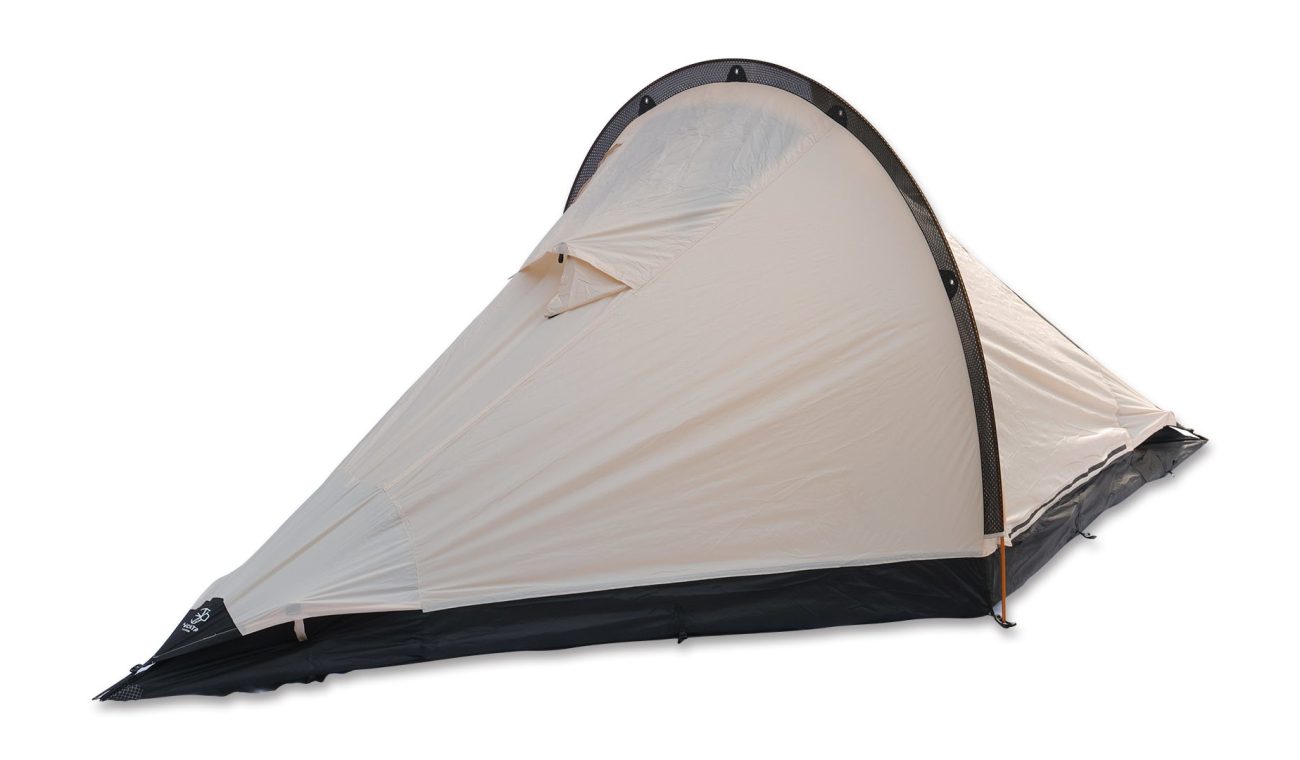
Choose shapes over size. Tunnel tents and single-wall pyramids compress volume without sacrificing covered area. If you must host a crowd, remember how a full-sized cabin becomes monstrous in a confined clearing—at Yellowstone’s group sites, for example, the footprint of a 12 person cabin tent often overruns available pitches and blocks access to trees and windbreaks. Test your chosen shelter in a backyard or day-hike spot before you commit it to a cramped campsite.
Common mistakes that make the night worse
Over-anchoring on steep ground, ignoring prevailing wind, and refusing to re-orient after rain are the usual culprits. Don’t assume a big vestibule equals dry gear; it will fill with wind-driven water if you face it the wrong way. Avoid stacking bags at canopy exits—you’ll create a bottleneck at midnight. Fix one variable at a time; otherwise you’ll waste time shifting canvas around in the dark.
Alternatives and the trade-offs they demand
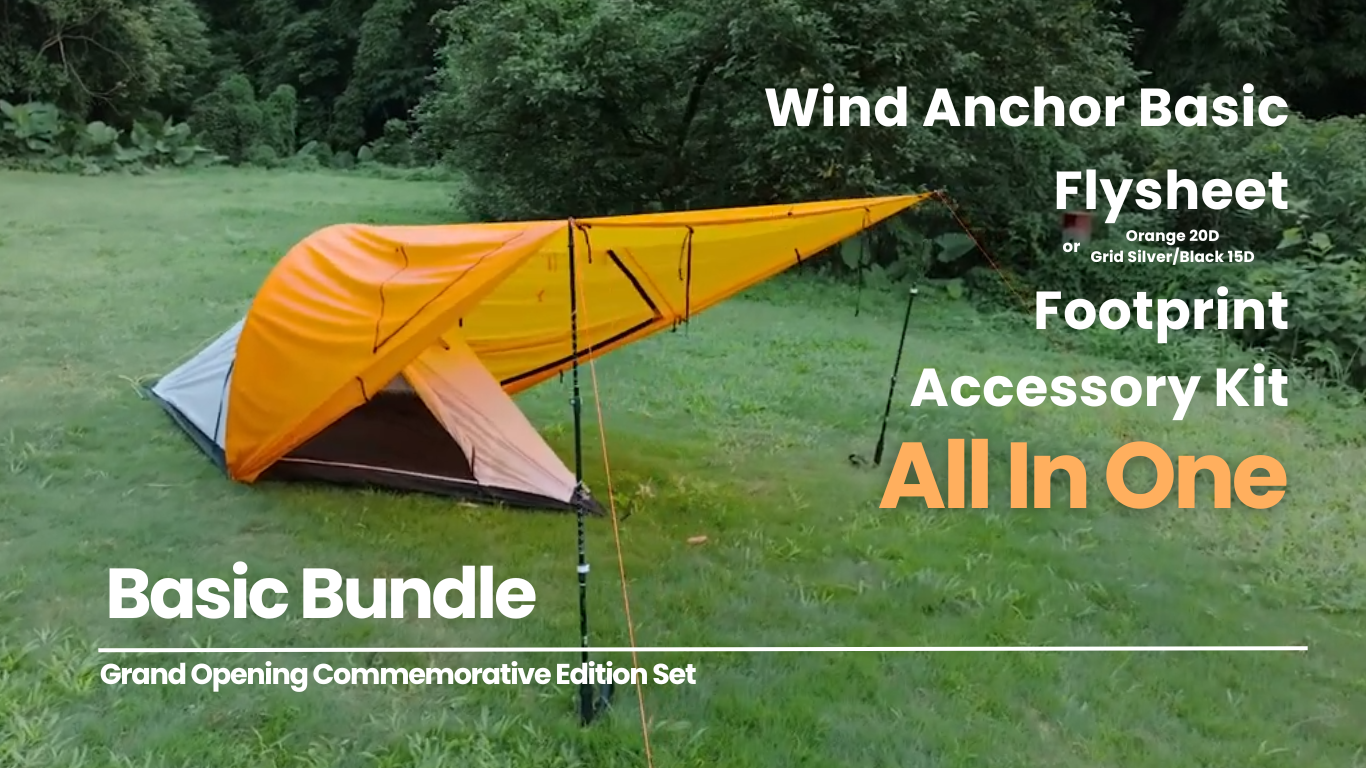
Hammocks sidestep the ground entirely but need trees and insulation strategy. Tarp systems give you covered communal space with minimal footprint, though they expose walls. Small modular tents allow you to join or detach sleeping modules as needed; that keeps your base footprint reasonable and adapts to changing campsite geometry. Choose the compromise you can live with for a long night.
 Final reckoning
When the trees close and the night presses in, success is quietly practical: measured footprints, correct orientation, and gear chosen to fit the place, not the fantasy of space. That kind of measured approach—tested setups, honest gear choices, and clear-headed adaptation—points to sensible sources for kit and guidance, such as the curated options at THECATAL, where small-footprint solutions are treated like serious shelter rather than ornament.