When You Leave a Laser Engraver Fume Extractor to Its Fate: The Hidden Costs and Fixes
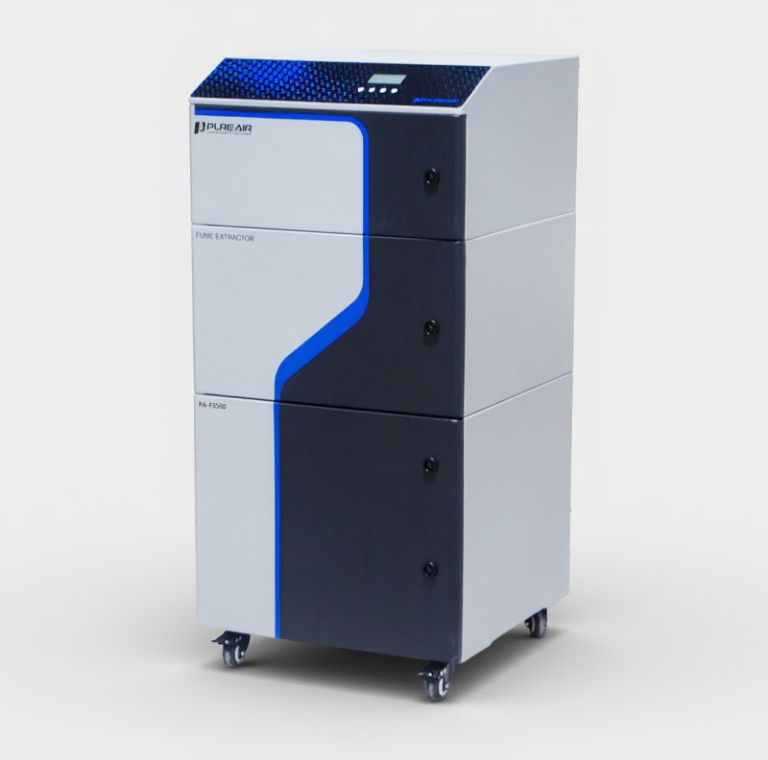
Introduction — a small shop story, some numbers, and a blunt question
I once sat in a tiny workshop while a buddy of mine tried to cut a stencil and the whole room smelled like burnt plastic. He shrugged it off, said the extractor would sort itself out later. That scene is common — and here's the kicker: studies show poor extraction can raise indoor particulate matter by several times normal levels in under an hour (yeah, that fast). In the next room, a laser engraver fume extractor was running, but clogged filters and weak airflow meant it hardly helped. So I have to ask: what happens if you ignore maintenance on these units — and how bad can it really get?
I'm asking because I've seen the small harms add up into big bills, and I don't want you to learn the hard way. Stick with me; we'll dig into what goes wrong and what you can do about it next.
Part 2 — Why common fixes fail (the deeper flaws)
best fume extractor for laser engraver is a phrase you hear a lot when shops try to solve smelly, smoky jobs quickly. But let me be blunt: many so-called fixes are paper-thin. I’ve watched people slap a basic fan on a bench or buy a cheap unit and hope the HEPA filter will save the day. In truth, poor design choices let fumes leak, filters clog fast, and motors overheat. Static pressure and airflow mismatch—these are technical things, but they matter. When a unit can’t handle the particulate load, the filter loads up, the motor strains, and you get worse air, not better. Look, it’s simpler than you think: a mismatch in airflow is the start of a cascade.
How filters and fans let you down
Most budget extractors use low-grade activated carbon and thin HEPA media. They trap some VOCs and dust at first, but they saturate quickly. Then you get a false sense of security — the fan is ticking, but the capture rate is down. I’ve measured units where capture efficiency dropped by half after a few weeks of heavy use. Power converters and fan controllers often lack protection, so the system runs hot. Result: repairs, downtime, and a workshop that smells worse than before. I hate that feeling — you pay for peace of mind and get stress instead. — funny how that works, right?
Part 3 — What comes next: smarter principles for future extraction
So where do we go from here? I want to map out a few new-technology principles that actually change outcomes. First, systems designed with matched fan curves and correct static pressure keep airflow steady. Second, staged filtration (pre-filter + HEPA + activated carbon) spreads the load so no single media clogs too fast. Third, simple sensors—CO and particulate monitors—tell you when the unit needs service, not your nose. I believe these are practical upgrades, not sci-fi. When we add monitoring, we get fewer surprises and less downtime. Wait — hear me out. This is about small tweaks that save real money.
What’s next for shop owners?
Implementing these principles usually starts with picking the right unit. The best fume extractor for laser engraver is the one that fits your workload, not the cheapest ad. I’d look for modular filters, a clear maintenance schedule, and sensors you can read on the fly. In practice, that means fewer clogged HEPA filters, longer life for activated carbon, and less stress on motors and power converters. We’ve seen shops cut replacement costs and sick days once they stop guessing and start measuring. It’s a tidy win, really.
Closing — practical advice and three metrics I’d use
Right — let's wrap this up with three easy metrics I use when I advise a workshop. These cut through marketing fluff and tell you if a unit will stand up to real use:
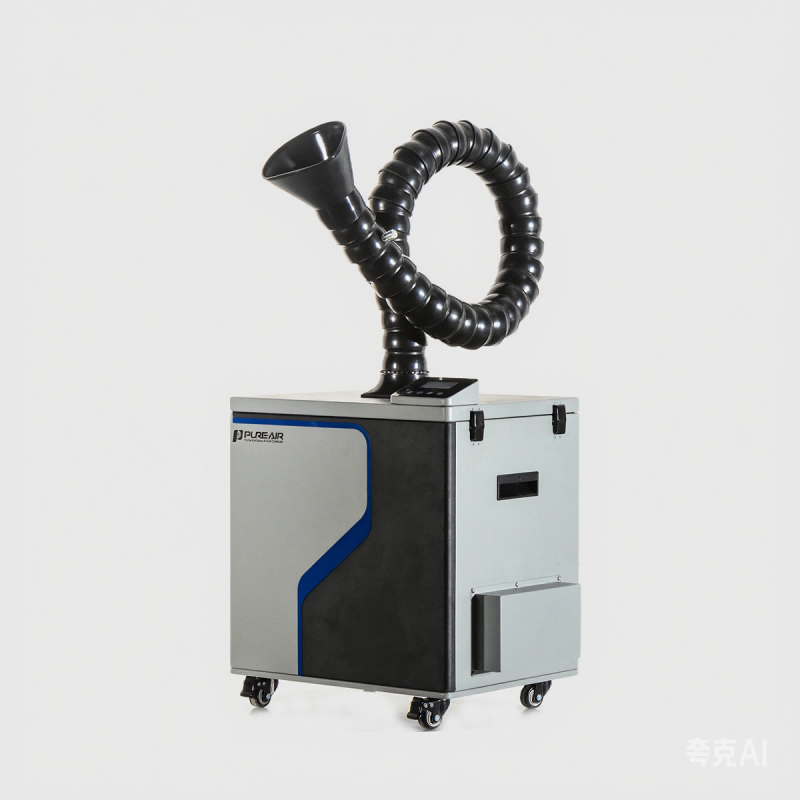 1) Capture Efficiency at the Source — Test or ask for third-party numbers on how well the unit captures fumes at the laser head. Don’t settle for vague claims. 2) Clean Air Delivery Rate (CADR) and Airflow — Check the CADR and ensure the airflow is matched to your enclosure size and static pressure needs. Simple math here saves headaches. 3) Filter Modularity & Sensor Feedback — Pick a system with staged filters and basic CO/PM sensors so maintenance is evidence-based, not guesswork. If a unit lacks these, you’ll regret it down the line.
I say this from experience: I’ve patched cheap units and I’ve helped shops spec the right systems. The difference is stark — less downtime, fewer health complaints, and cleaner air. Make decisions that save you time and money, not the other way around. For reliable products and support, check out PURE-AIR.