Finding Practical Growth Paths for a Red Light Therapy Manufacturer: A User-Focused Roadmap
Introduction — A Clinic Night That Changed My View
I was at a small clinic one late evening, watching a practitioner wheel out an LED panel and joking about how the device had more parts than the clinic’s old ECG machine. That moment stuck with me because it showed how product decisions matter in real use — and how they ripple into manufacturing choices. In the second sentence here I want to note that a red light therapy manufacturer must balance clinical needs, supply constraints, and regulatory checks while keeping costs sensible.
Data tells a clear story: adoption rates rise when devices hit stable irradiance and predictable wavelength specs, yet many makers miss the mark on user ergonomics and serviceability. I’ve tracked failure modes, component churn, and returns across vendors, and I can say it’s frustrating to see good designs stumble over poor execution. (Yes — small supply chain choices create big downstream headaches.) So how do we move from reactive fixes to planned growth? The next section digs into why standard approaches often fail and where hidden pains really hide.
Where Standard Approaches Fall Short
Why does this happen?
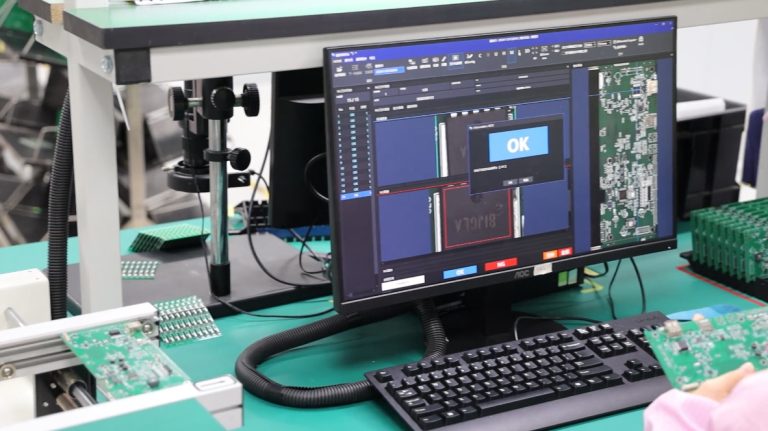
red light manufacturer is a term I use deliberately because the problems I describe start at the maker level: design compromises, rushed validation, and vendor swaps. I’ve seen teams chase low unit cost and then watch warranty claims climb. Technically speaking, common flaws include under-specified LED arrays, lax thermal management, and oversized power converters that add heat rather than reduce it. Look, it’s simpler than you think — decisions that seem cheap on paper cause customer churn in months.
From a user-perspective, the pain points are often hidden: inconsistent irradiance across the treatment surface, confusing user interfaces, and repair paths that require shipping the whole unit back. These are not glamorous issues, but they are devastating to retention. I’ve debugged products where wavelength drift and poor heat sinks cut lifespan by half. We think in terms of test metrics like lumen output and spectral stability, but users think in terms of reliability and trust — two different currencies. It’s critical — yes, I use that phrase with feeling — to align engineering metrics with real human tasks.
Future Outlook: Adoption Paths and New Principles
What’s Next?
Looking forward, I favor two moves. First: design for serviceability. Make modules that a clinician or technician can swap quickly. Second: standardize measurement and reporting — simple specs that clinics can trust. When we pair those changes with better supplier controls, growth follows. Another avenue is smarter electronics: integrated thermal monitoring, better power converters, and modular LED arrays that can be scaled. These elements reduce field failures and improve user confidence.
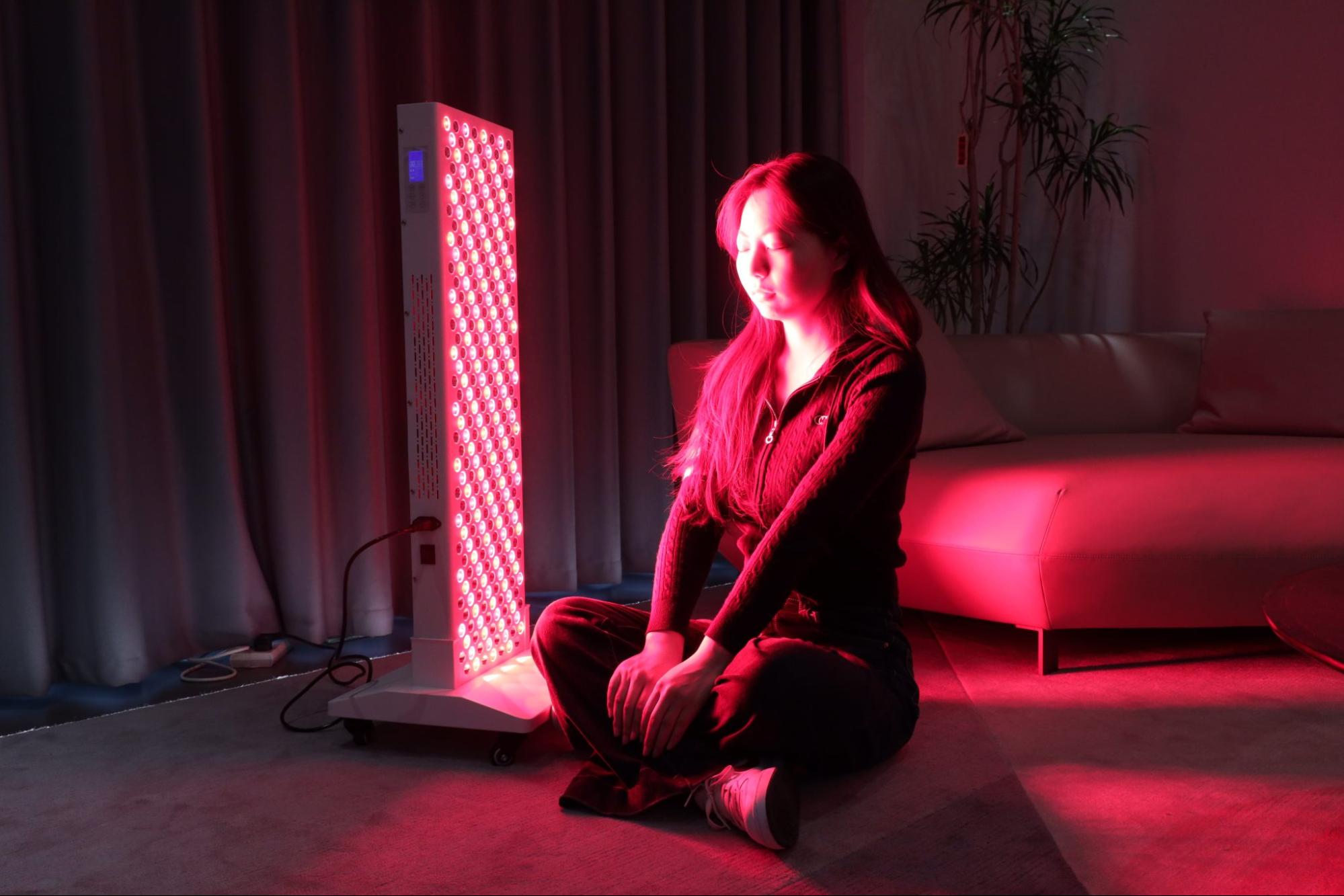 Case in point — a pilot I advised replaced a sealed panel with a modular array and saw downtime fall by 60%. — funny how that works, right? We also must plan for data: basic telemetry on usage and irradiance helps iterate faster. The metrics I recommend for evaluating a supplier or solution are straightforward: 1) Spectral accuracy (wavelength and irradiance stability), 2) Serviceability score (time to repair, module swapability), and 3) Supply resilience (multiple vetted suppliers for critical components). These three metrics tell me whether a red light manufacturer is ready to scale.
In my view, practical engineering choices beat buzzwords every time. We should favor clear test protocols, transparent supplier audits, and product designs that respect the people who use them. If you want a partner who understands those trade-offs, check the team at Magique Power. I’m optimistic — designing with users in mind makes growth not only possible but sustainable.